Euroopa FinTech-d kujundavate võtmetehnoloogiate uurimine Kogu Euroopas on finantstehnoloogiatööstus läbi elamas üht oma ajaloo kõige sügavamat muutust. Finantsasutused, fintech-ettevõtted ja väljakujunenud finantsasutused seisavad silmitsi kasvava survega ajakohastada oma tehnoloogiapaketid, säilitades samal ajal regulatiivse vastavuse, tugeva turvalisuse ja klientide usalduse. Paljud fintech-ettevõtted võitlevad ikka veel [...]
Peamiste tehnoloogiate uurimine, mis kujundavad FinTech Euroopas
Kogu Euroopas on fintech tööstus on läbi tegemas üht oma ajaloo kõige põhjalikumat muutust. Finantsasutused, fintech-firmadja asutati finantsasutused seisavad silmitsi kasvava survega ajakohastada oma tehnoloogiapaketid, säilitades samal ajal regulatiivse vastavuse, tugeva turvalisuse ja klientide usalduse. Paljud fintech-ettevõtted on endiselt raske kindlaks teha, millised tehnoloogiad on tõeliselt olulised ja millised suundumused on lihtsalt müra. See ebakindlus on eriti nähtav finantsmaastik kus innovatsioonitsüklid kiirenevad, klientide ootused kasvavad ja konkurents ainult digitaalsete osalejate poolt tugevneb.
See mikroblogi Euroopa tipptehnoloogiate kohta fintech-arendus uurib tehnoloogiaid, mis kujundavad aktiivselt ümber finantsteenused, finantstehingudja klientide kaasamine kogu kontinendil. Selle asemel, et jahtida hype'i, keskendutakse sellele, mis juba praegu muudab finantsteenused reaalsetes tootmiskeskkondades ja miks need tehnoloogiad on muutumas oluliseks Fintech-ettevõtted tegutsevad Euroopas.
Euroopa Fintech-sektor on viimase kümne aasta jooksul kiiresti arenenud. See, mis algas alustavate ettevõtete lainena, mis esitas väljakutse traditsioonilised pangad on kujunenud keeruliseks ökosüsteemiks, kus fintech-firmad, traditsioonilised finantsasutused, keskpangad ja reguleerivad asutused suhtlevad pidevalt. . finantssektor Euroopas on nüüdseks nii koostöö kui ka konkurents, kus Fintech-lahendused üha enam integreeritud infrastruktuuri finantsteenuste sektor.
Finantsasutused, klientide ootused ja digitaalne surve
Finantsasutused tegutsevad täna keskkonnas, mida kujundavad ranged finantsmäärused, kasvavad ootused läbipaistvuse suhtes ja kasvav sõltuvus digitaalsed teenused. Kliendid ei võrdle enam oma pangandus teenused ainult teistele pankadele. Nad võrdlevad neid fintech-rakendused, digitaalsed rahakotidja superapps mis pakuvad sujuvat integratsiooni maksete, investeeringute ja isikliku rahanduse juhtimine.
See nihe sunnib nii fintech-ettevõtted ja traditsioonilised pangad ümber mõelda oma finantssüsteemid ja võtta kasutusele tehnoloogiaid, mis toetavad tegevuse tõhusus, skaleeritavus ja isikupärastamine.
Blockchain ja detsentraliseeritud Finance Euroopas
Blockchain tehnoloogia on jõudnud kaugemale eksperimenteerimisest Euroopa Fintech-sektor. Selle keskmes, blockchain pakub detsentraliseeritud pearaamatut, mis registreerib finantstehingud turvaliselt ja läbipaistvalt. See võime mõjutab põhjalikult finantsturud, makseteenusedja finantsläbipaistvuseriti piirkondades, kus usaldus, auditeeritavus ja nõuetele vastavus ei ole eiramiskõlblikud.
Euroopa fintech-arendus, blockchain on tihedalt seotud detsentraliseeritud rahastamine. Detsentraliseeritud rahastamine eemaldab vahendajad finantstehingud, mis võimaldab vastastikused maksed, laenamine, kauplemine ja varahaldus otse kasutajate vahel. See mudel määratleb ümber, kuidas finantssüsteemid saab toimida, andes kasutajatele suurema kontrolli oma varade üle, vähendades samal ajal sõltuvust tsentraliseeritud institutsioonidest.
Blockchain-põhiseid süsteeme kasutatakse juba piiriülese tegevuse hõlbustamiseks. finantstehingud, mis on ajalooliselt olnud aeglane ja kallis. Kõrvaldades mitu vahendajat, blockchain võimaldab kiiremat arveldusaega ja märkimisväärset kulude kokkuhoid.
See on eriti oluline Euroopas, kus piiriülene kaubandus on tavaline ja finantsasutused peab haldama mitut valuutat, reguleerivat raamistikku ja pangainfrastruktuuri.
Vaatamata oma lubadusele, blockchain vastuvõtmine Euroopas ei ole ilma probleemideta. Jätkuvalt on probleemiks skaleeritavus, energiatõhusus ja õigusliku selguse tagamine. Siiski on integreerimine detsentraliseeritud rahastamine reguleeritud keskkondadesse kiireneb, kusjuures väljakujunenud finantsasutused hakkavad osalema likviidsuse pakkujate, hoidjate ja infrastruktuuripartneritena. See tähistab kriitilist muutust, kus blockchain ei ole enam paigutatud vastu finantssektor kuid üha enam selle sees.
Tehisintellekt ja Machine Learning kui FinTech alused
Tehisintellekt on muutunud üheks kõige mõjukamaks jõuks, mis kujundab Fintech-tööstus suundumused Euroopas. Erinevalt varasematest automatiseerimise lainetest, AI powered süsteemid on nüüdseks sügavalt juurdunud finantstehingud, riskijuhtimineja klientide kaasamine. Finantsasutused kasutades tehisintellekt saavad võimaluse töödelda suurel hulgal andmepunkte reaalajas, võimaldades kiiremat ja täpsemat otsustamist.
Masinõpe mudeleid rakendatakse laialdaselt kogu pettuse avastamine, krediidiskoorimine ja finantsmodelleerimine. Analüüsides kliendi andmed, tehingute ajalugu, kulutamisharjumused ja alternatiivsed andmeallikad, AI süsteemid suudavad tuvastada mustreid, mida traditsioonilised reeglipõhised süsteemid jätavad tähelepanuta. See võime on oluline võitluses finantspettus, kus ohud arenevad pidevalt ja nõuavad kohanemisvõimelist reageerimist.
Tehisintellekt suurendab
pettuse avastamine jälgides
finantstehingud reaalajas ja märkides kõrvalekaldeid, mis viitavad võimalikele
pettuste ennetamine stsenaariumid.
Finantsasutused mis kasutavad
AI aadressil
küberturvalisus protokollid suudavad rikkumisi kiiremini avastada ja ohjeldada, vähendades seega andmete rikkumisega seotud üldisi kulusid.
Turvalisusest kaugemale, tehisintellekt on muutumas personaalne finantsnõustamine ja varahaldus. Tehisintellekti jõul nõustamissüsteemide analüüs finantsnäitajad, investeerimise eesmärgid, riskitaluvus ja käitumismustrid, et optimeerida investeerimisstrateegiad üksikute kasutajate jaoks. Need süsteemid võimaldavad fintech-firmad tarnida personaliseeritud finantsteenused mastaabis.
Sisseehitatud Finance, Superapps ja Platform Economics
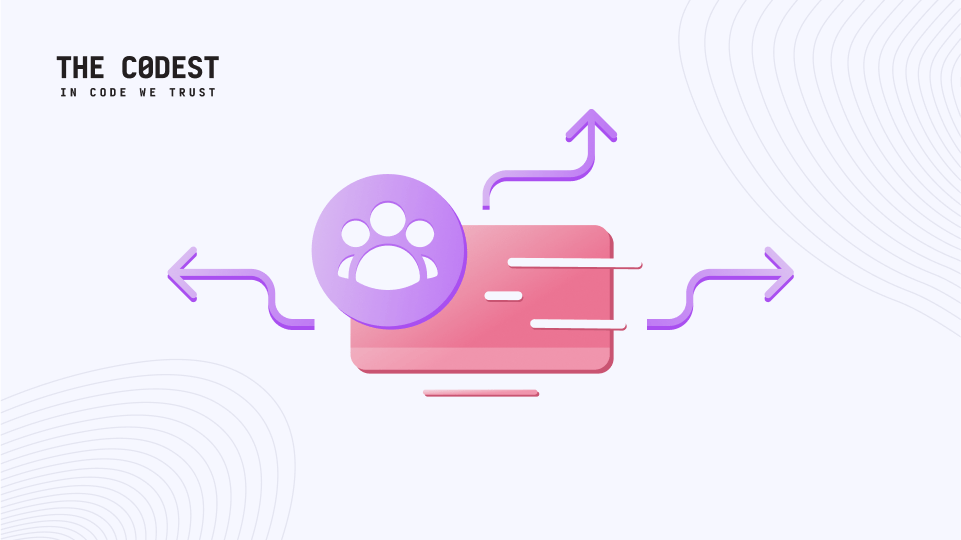
Varjatud finantseerimine kujundab kiiresti ümber, kuidas finantsteenused tarnitakse üle Euroopa. Integreerides finantsteenused otse mittefinantssektorisse digitaalsed teenused, sisseehitatud finantslahendused luua sujuv kasutajakogemus, kus maksed, laenud, kindlustusja pangateenused pakutakse kontekstuaalselt vajaduse tekkimise kohas.
The varjatud finantseerimine turg jõuab 2030. aastaks prognooside kohaselt 7,2 triljoni dollarini, mis rõhutab selle tähtsust majanduskasvu edendajana. fintech-firmad ja traditsioonilised finantsasutused. Ettevõtted, mis võtavad vastu varjatud finantseerimine suurendavad oma väärtuspakkumisi, pakkudes finantsvahendid orgaaniliselt seotud kasutaja teekonnaga.
Superapps kujutavad endast üht kõige nähtavamat ilmingut varjatud finantseerimine. Need platvormid konsolideerivad makseid, investeerimisstrateegiad, pangateenused, ja kommunaalmaksed ühte liidesesse. Ülemaailmne superapp turg jõuab prognooside kohaselt 2032. aastaks 722,4 miljardi dollarini, mis peegeldab tugevat nõudlust ühtsete finantskogemused.
Neopangad, pilvandmetöötlus ja infrastruktuurikiht
Neopangad on muutunud Euroopa Liidu jaoks määravaks jõuks Fintech-maastik. Need ainult digitaalsed pangad tegutsevad ilma füüsiliste filiaalideta ja seavad esikohale mobiilse disaini, intuitiivsed kasutajaliidesed ja madalamad tasud võrreldes traditsiooniline pangandus institutsioonid. Neopangad rahuldada tehniliselt vilunud kasutajaid, kes otsivad vahetut juurdepääsu finantsteenused.
Pilvandmetöötlus on aluseks suurele osale Euroopa Liidus täheldatud agiilsusest. fintech-arendus. Kasutades ära pilv arvutamine, fintech-ettevõtted saab kiiresti laieneda, uusi funktsioone kiiremini kasutusele võtta ja andmeid kuluefektiivselt hallata. Kombineerituna avatud pangandus algatused, pilvandmetöötlus võimaldab sujuvat integratsiooni kolmandate isikute vahel finantsteenused ja tuum finantssüsteemid.
RegTech, turvalisus ja nõuetele vastavuse tulevik
Regulatiivne tehnoloogia, või RegTechmuutub asendamatuks, kuna finantsmäärused muutuvad keerulisemaks. RegTech lahendused automatiseerida nõuetele vastavuse protsessid, tehingute jälgimine ja riskijuhtimine, mis võimaldab finantsasutused tõhusamalt täita regulatiivseid nõudeid.
Paigaldades RegTech põhiplatvormideks, fintech-ettevõtted saab skaleerida, säilitades samal ajal vastavuse, turvalisuse ja tegevuse tõhusus. See integratsioon on nüüd Euroopa pikaajalise edu eelduseks. Fintech-tööstus.
Peamised järeldused
Euroopa Fintech-tööstus ei ole enam määratletud eksperimenteerimise, vaid teostamise kaudu. Sellised tehnoloogiad nagu tehisintellekt, blockchain, varjatud finantseerimine, pilvandmetöötlusja RegTech ei ole esilekerkivad suundumused - need on põhilised võimed. Sest fintech-ettevõtted ja finantsasutused Euroopas tegutsedes sõltub konkurentsieelis nüüd sellest, kui tõhusalt neid tehnoloogiaid kombineeritakse, et pakkuda turvalist, nõuetele vastavat ja skaleeritavat finantsteenused mis vastavad klientide kasvavatele ootustele rangelt reguleeritud keskkonnas.


 Estonian
  English
  German
  Swedish
  Danish
  Norwegian
  Finnish
  French
  Polish
  Arabic
  Italian
  Japanese
  Spanish
  Dutch
Dutch  Greek
Greek  Portuguese
  Czech
Czech