Udforskning af nøgleteknologier, der former FinTech i Europa Overalt i Europa gennemgår fintech-industrien en af de mest dybtgående forandringer i sin historie. Finansielle institutioner, fintech-virksomheder og etablerede finansielle institutioner står over for et stigende pres for at modernisere deres teknologi, samtidig med at de skal overholde lovgivningen, opretholde robust sikkerhed og kundernes tillid. Mange fintech-virksomheder kæmper stadig med at [...]
Udforskning af nøgleteknologier, der former FinTech i Europa
I hele Europa er fintech Industri gennemgår en af de mest dybtgående forandringer i sin historie. Finansielle institutioner, fintech-virksomhederog etableret finansielle institutioner står over for et voksende pres for at modernisere deres teknologi, samtidig med at de skal overholde lovgivningen, opretholde robust sikkerhed og kundernes tillid. Mange fintech-virksomheder kæmper stadig med at identificere, hvilke teknologier der virkelig betyder noget, og hvilke tendenser der blot er støj. Denne usikkerhed er især synlig i en finansielt landskab hvor innovationscyklusserne accelererer, kundernes forventninger stiger, og konkurrencen fra rene digitale aktører intensiveres.
Denne mikroblog om de bedste teknologier, der bruges i europæisk fintech-udvikling udforsker de teknologier, der aktivt omformer finansielle tjenester, finansielle operationerog kundeengagement på tværs af kontinentet. I stedet for at jagte hype fokuserer den på det, der allerede transformerer finansielle tjenester i rigtige produktionsmiljøer, og hvorfor disse teknologier bliver afgørende for fintech-virksomheder der opererer i Europa.
Den europæiske fintech-sektoren er modnet hurtigt i løbet af det seneste årti. Det, der begyndte som en bølge af nystartede virksomheder, der udfordrede traditionelle banker har udviklet sig til et komplekst økosystem, hvor fintech-virksomheder, traditionelle finansielle institutioner, centralbanker og lovgivere interagerer løbende. De Den finansielle sektor i Europa er nu defineret af samarbejde lige så meget som konkurrence, med fintech-løsninger i stigende grad indlejret i infrastrukturen i Den finansielle sektor.
Finansielle institutioner, kundeforventninger og digitalt pres
Finansielle institutioner opererer i dag i et miljø, der er formet af strenge finansielle bestemmelserstigende forventninger til gennemsigtighed og voksende afhængighed af digitale tjenester. Kunderne sammenligner ikke længere deres Bankvirksomhed tjenester til andre banker alene. De sammenligner dem med fintech-apps, digitale tegnebøgerog superapps der tilbyder problemfri integration på tværs af betalinger, investeringer og Styring af personlig økonomi.
Dette skift tvinger både fintech-virksomheder og traditionelle banker til at genoverveje deres finansielle systemer og anvende teknologier, der understøtter operationel effektivitet, skalerbarhed og personalisering.
Blockchain og decentraliseret Finance i Europa
Blockchain teknologi har bevæget sig langt ud over eksperimenter i den europæiske fintech-sektoren. Det er kernen i det, blockchain giver en decentral hovedbog, der registrerer finansielle transaktioner sikkert og gennemsigtigt. Denne evne har dybtgående konsekvenser for finansielle markeder, betalingstjenesterog finansiel gennemsigtighedisær i regioner, hvor tillid, kontrollerbarhed og overholdelse ikke er til forhandling.
I europæisk fintech-udvikling, blockchain er tæt forbundet med decentral finansiering. Decentraliseret finansiering fjerner mellemmænd fra finansielle transaktioner, der gør det muligt peer-to-peer-betalingerDet giver mulighed for udlån, handel og forvaltning af aktiver direkte mellem brugerne. Denne model omdefinerer, hvordan finansielle systemer kan fungere ved at give brugerne mere kontrol over deres aktiver og samtidig reducere afhængigheden af centraliserede institutioner.
Blockchain-baserede systemer bruges allerede til at lette grænseoverskridende finansielle transaktionersom historisk set har været langsomme og dyre. Ved at eliminere flere mellemmænd, blockchain muliggør hurtigere afviklingstider og betydelig omkostningsbesparelser.
Dette er især relevant i Europa, hvor handel på tværs af grænserne er almindelig og finansielle institutioner skal håndtere flere valutaer, lovgivningsmæssige rammer og bankinfrastrukturer.
På trods af sit løfte, blockchain indførelsen i Europa er ikke uden udfordringer. Skalerbarhed, energieffektivitet og klarhed i lovgivningen er fortsat et problem. Men integrationen af decentral finansiering ind i regulerede miljøer accelererer, med etablerede finansielle institutioner begynder at deltage som likviditetsudbydere, depositarer og infrastrukturpartnere. Dette markerer et kritisk skift, hvor blockchain er ikke længere placeret mod Den finansielle sektor men i stigende grad indlejret i den.
Kunstig intelligens og Machine Learning som FinTech-fundament
Kunstig intelligens er blevet en af de mest indflydelsesrige kræfter, der former fintech-industrien tendenser i Europa. I modsætning til tidligere automatiseringsbølger, AI drevet systemer er nu dybt indlejret i finansielle operationer, risikostyringog kundeengagement. Finansielle institutioner ved hjælp af kunstig intelligens får mulighed for at behandle store mængder datapunkter i realtid, hvilket giver mulighed for hurtigere og mere præcis beslutningstagning.
Maskinlæring modeller anvendes bredt på tværs af Opdagelse af svindel, kreditvurdering og finansiel modellering. Ved at analysere kundedata, transaktionshistorik, forbrugsvaner og alternative datakilder, AI systemer kan identificere mønstre, som traditionelle regelbaserede systemer ville overse. Denne evne er afgørende i bekæmpelsen af økonomisk svindelhvor trusler udvikler sig løbende og kræver adaptive reaktioner.
Kunstig intelligens forbedrer
Opdagelse af svindel ved at overvåge
finansielle transaktioner i realtid og markere afvigelser, der indikerer potentiel
forebyggelse af svindel scenarier.
Finansielle institutioner der implementerer
AI i
cybersikkerhed Protokoller er i stand til at opdage og inddæmme brud hurtigere, hvilket reducerer de samlede omkostninger forbundet med databrud.
Ud over sikkerhed, kunstig intelligens forvandler sig Personlig økonomisk rådgivning og Formueforvaltning. AI-drevet Rådgivningssystemer analyserer finansielle målingerinvesteringsmål, risikotolerance og adfærdsmønstre for at optimere investeringsstrategier for individuelle brugere. Disse systemer gør det muligt fintech-virksomheder at levere Personlige finansielle tjenester i stor skala.
Indlejret Finance, superapps og platformsøkonomi
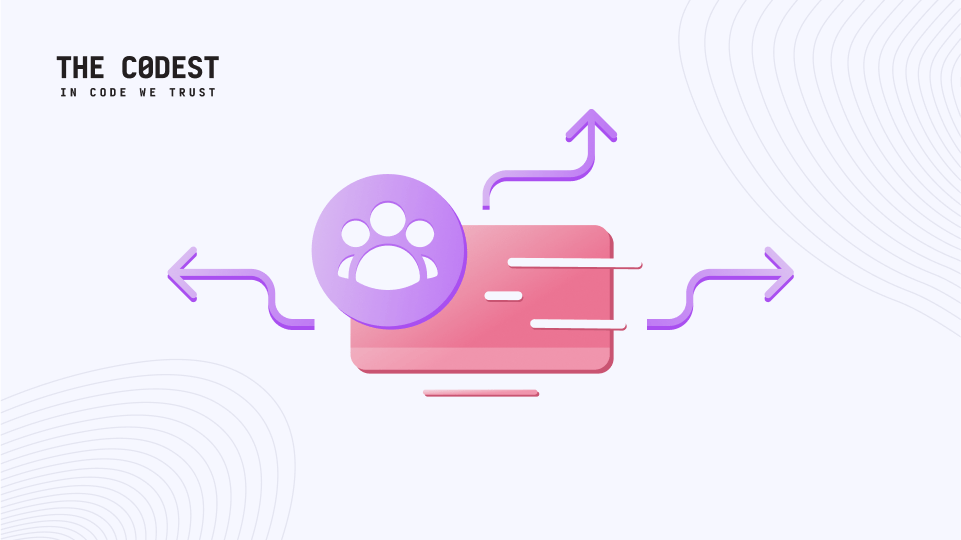
Indlejret finansiering er hurtigt ved at omforme, hvordan finansielle tjenester leveres i hele Europa. Ved at integrere finansielle tjenester direkte ind i ikke-finansielle digitale tjenester, indlejrede finansieringsløsninger skabe sømløse brugeroplevelser, hvor betalinger, lån, forsikringog Banktjenester tilbydes kontekstuelt på det sted, hvor behovet er.
Den indlejret finansiering marked forventes at nå op på 7,2 billioner dollars i 2030, hvilket understreger dens betydning som vækstdriver for fintech-virksomheder og traditionelle finansielle institutioner. Virksomheder, der indfører indlejret finansiering forbedre deres værditilbud ved at tilbyde finansielle værktøjer organisk knyttet til brugernes rejser.
Superapps repræsenterer en af de mest synlige manifestationer af indlejret finansiering. Disse platforme konsoliderer betalinger, investeringsstrategier, Banktjenesterog forsyningsbetalinger i en enkelt grænseflade. Den globale superapp markedet forventes at nå 722,4 milliarder dollars i 2032, hvilket afspejler en stærk efterspørgsel efter unified økonomiske erfaringer.
Neobanker, cloud computing og infrastrukturlaget
Neobanker er blevet en afgørende kraft i den europæiske fintech-landskab. Disse digitale banker opererer uden fysiske filialer og prioriterer mobil-først design, intuitive grænseflader og lavere gebyrer sammenlignet med traditionel bankvirksomhed institutioner. Neobanker henvender sig til tech-kyndige brugere, der ønsker øjeblikkelig adgang til finansielle tjenester.
Cloud computing understøtter meget af den agilitet, der ses i Europa fintech-udvikling. Ved at udnytte sky Databehandling, fintech-virksomheder kan skalere hurtigt, implementere nye funktioner hurtigere og håndtere data omkostningseffektivt. Kombineret med Åben bankvirksomhed initiativer, cloud computing muliggør problemfri integration mellem tredjeparter finansielle tjenester og kerne finansielle systemer.
RegTech, sikkerhed og fremtidens compliance
Regulatorisk teknologieller RegTecher ved at blive uundværlig som finansielle bestemmelser bliver mere komplekse. RegTech-løsninger automatisere compliance-processer, transaktionsovervågning og risikostyring, der gør det muligt finansielle institutioner til at opfylde lovkrav mere effektivt.
Ved at indlejre RegTech til kerneplatforme, fintech-virksomheder kan skalere og samtidig opretholde compliance, sikkerhed og operationel effektivitet. Denne integration er nu en forudsætning for langsigtet succes i Europa. fintech-industrien.
Det vigtigste at tage med
Den europæiske fintech-industrien er ikke længere defineret af eksperimenter, men af udførelse. Teknologier som f.eks. kunstig intelligens, blockchain, indlejret finansiering, cloud computingog RegTech er ikke nye tendenser - de er grundlæggende evner. For fintech-virksomheder og finansielle institutioner der opererer i Europa, afhænger konkurrencefordelen nu af, hvor effektivt disse teknologier kombineres for at levere sikker, kompatibel og skalerbar finansielle tjenester der lever op til kundernes stigende forventninger i et stærkt reguleret miljø.


 Danish
  English
  German
  Swedish
  Norwegian
  Finnish
  French
  Polish
  Arabic
  Italian
  Japanese
  Spanish
  Dutch
Dutch  Estonian
  Greek
Greek  Portuguese
  Czech
Czech